Key Takeaways:
- Nicotine’s Impact on Mental Health: Nicotine disrupts brain chemistry by triggering dopamine release, creating a temporary sense of calm but ultimately increasing anxiety through withdrawal symptoms.
- Addictive Cycle: The addictive nature of nicotine traps users in a cycle of temporary relief followed by heightened anxiety, worsening mental health over time.
- Modern Nicotine Products: Alternatives like nicotine pouches and vapes still cause anxiety due to their concentrated nicotine delivery, proving they are not a safer option.
- Benefits of Quitting: Quitting nicotine improves mental wellness, physical health, and financial stability, offering a path to a healthier, more balanced life.
Question:
Can nicotine cause anxiety?
Answer:
Nicotine, often mistaken as a stress reliever, actually exacerbates anxiety by disrupting brain chemistry and creating a cycle of dependency. While it provides a fleeting sense of calm, the withdrawal symptoms mimic anxiety, leaving users feeling worse. Modern alternatives like nicotine pouches and vapes are equally harmful, delivering concentrated doses that amplify anxiety. Breaking free from nicotine’s grip is transformative, stabilizing mental health, improving physical well-being, and saving money. Quitting is challenging, but with the right support, such as Aliya Mental Health’s telehealth and mental health services, recovery is achievable.
To understand the connection, we first need to look at how this chemical interacts with your body. When you consume nicotine, it travels quickly to your brain. It triggers the release of neurotransmitters, including dopamine, which creates a brief feeling of pleasure and relaxation.
However, this chemical also stimulates your central nervous system. It raises your heart rate, increases your blood pressure, and prompts your body to release adrenaline. This physical response closely mirrors the body’s natural “fight or flight” reaction to danger. Because of these rapid changes, people frequently ask: does nicotine affect mental health? The short answer is yes. By artificially altering your brain chemistry and keeping your nervous system on high alert, nicotine disrupts your emotional balance over time.
The Big Question: Can Nicotine Cause Anxiety?
You might notice that a few hours after using a nicotine product, you feel edgy, restless, or nervous. This leads to an important question: can nicotine cause anxiety?
While nicotine itself may not be the sole origin of a diagnosed anxiety condition, it closely mimics and aggravates anxiety symptoms. When the immediate effects of dopamine wear off, your body enters a state of mild withdrawal. The symptoms of nicotine withdrawal—irritability, racing thoughts, and a tight chest—feel almost identical to a panic attack or severe stress. If you frequently find yourself thinking, “why does nicotine give me anxiety,” it is often because your body is reacting to the stress of this continuous withdrawal cycle.
For individuals already managing anxiety disorders, adding nicotine to the mix creates unnecessary hurdles on the path to true well-being.
Looking For Mental Health Help?
Get confidential help from our mental health treatment facilities located across the United States. Call to join one of our quality programs today!
Speak With Our Admissions TeamDoes Nicotine Help With Anxiety? Breaking the Illusion
Because the act of smoking or vaping provides a momentary sense of relief, many people falsely believe they are self-medicating. So, does nicotine help with anxiety? No, it only offers a temporary illusion of calm.
When you use nicotine, you are simply treating the withdrawal symptoms created by your previous dose. The relief you feel is just the sensation of satisfying a craving, not a genuine reduction in your baseline anxiety. Over time, your brain builds a tolerance, requiring more of the substance just to feel normal. If you wonder, “does nicotine give you anxiety,” the truth is that the constant fluctuation between temporary relief and inevitable withdrawal creates a steady undercurrent of nervousness in your daily life.
Can Nicotine Make Anxiety Worse?
The addictive qualities of nicotine trap you in a frustrating loop. Because you associate the substance with stress relief, you reach for it more often when life gets difficult. Unfortunately, this dependence means you are constantly riding an emotional roller coaster.
Can nicotine make anxiety worse? Absolutely. The physical strain of increased heart rate and blood pressure, combined with the psychological stress of addiction, leaves your nervous system exhausted. By feeding the addiction, you accidentally amplify your stress levels. Breaking this cycle is a crucial step in recovery, which is why comprehensive mental health programs often address physical dependencies alongside emotional healing.
Beyond Traditional Smoking: Can Nicotine Pouches Cause Anxiety?
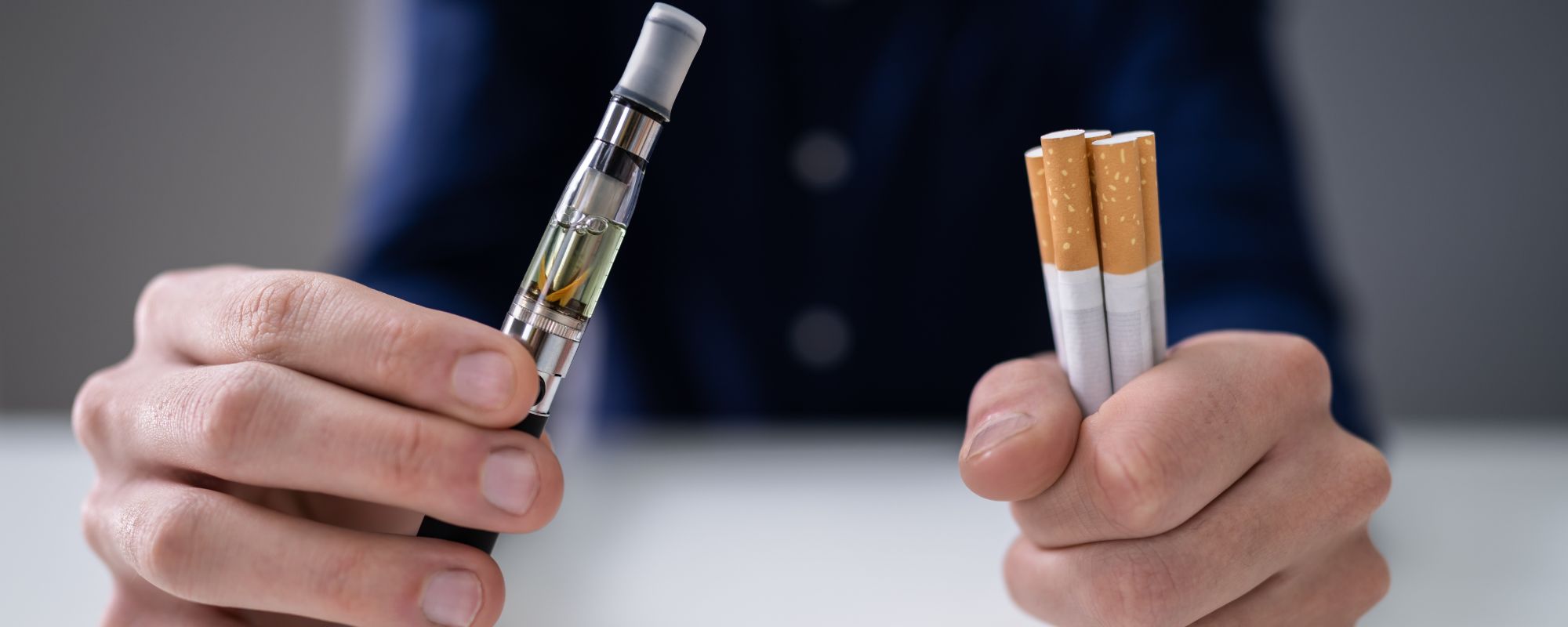
Modern alternatives like vapes, snus, and nicotine pouches have become incredibly popular. Many people switch to these products believing they are harmless stress relievers. However, the core chemical remains exactly the same.
Can nicotine pouches cause anxiety? Yes, they absolutely can. In fact, some pouches deliver a higher, more concentrated dose of nicotine than a traditional cigarette. This rapid delivery spikes your blood pressure and heart rate even faster, leading to a sharper crash. Whether you smoke it, vape it, or absorb it through a pouch, the chemical impact on your brain and nervous system remains disruptive to your peace of mind.
Verify Your Insurance
Looking for quality mental health treatment that’s also affordable? Aliya Mental Health treatment facilities accept most major insurance providers. Get a free insurance benefits check now!
Check Your Coverage
Why Quitting is the Best Choice for Your Whole Self
At Aliya Health Group, we believe in treating the whole person. Healing is about restoring clarity, identity, and happiness to your life. Choosing to quit nicotine is one of the most compassionate decisions you can make for your future. Here is how quitting transforms your life:
- Mental Wellness: Breaking free from the withdrawal cycle stabilizes your dopamine levels. Your mood evens out, and your baseline anxiety naturally decreases.
- Physical Health: Your heart rate and blood pressure return to healthy levels. You will breathe easier, sleep better, and give your body the chance to heal from chronic stimulation.
- Financial Well-being: Nicotine products are expensive. Quitting immediately frees up resources that you can invest back into your life, your family, or your personal growth.
We understand that quitting is challenging, but you do not have to do it alone. Through accessible telehealth services and specialized mental health services, you can receive the customized clinical support you deserve from the comfort of your home, and a mental health professional can help create a treatment plan that may include therapy, medication, or both. CBT is a leading approach for anxiety disorders, and exposure therapy within CBT can help you gradually face triggers instead of avoiding them. Medications may include antidepressants such as SSRIs or SNRIs, and in some cases other medicines may be used under clinical supervision. Daily strategies like regular exercise, mindfulness, and breathing exercises can help you cope, relieve stress, improve mood, and build a more resilient foundation. For treatment-resistant cases, advanced options may also be considered.
Taking the Next Step Toward Healing
Recovery is about rebuilding a life that feels whole and purposeful. If you recognize that nicotine is holding back your mental wellness, reaching out for support is a sign of immense strength.
We are here to provide clear, empathetic guidance every step of the way. You can easily start by completing an insurance verification to understand your coverage options. When you feel ready, our straightforward admissions process ensures a smooth transition into a care program designed just for you.
You deserve to live a life free from the endless cycle of cravings and anxiety. By taking that first step today, you open the door to lasting peace, better health, and a brighter tomorrow.

- What Is a Delayed Emotional Resonse? Understanding, Causes, and Practical Help - January 20, 2026
- Mental Health Counseling: Support, Healing, and Hope for Lasting Wellness - January 14, 2026
- Healing Through Art: Expressive Arts Therapy for Trauma - January 13, 2026