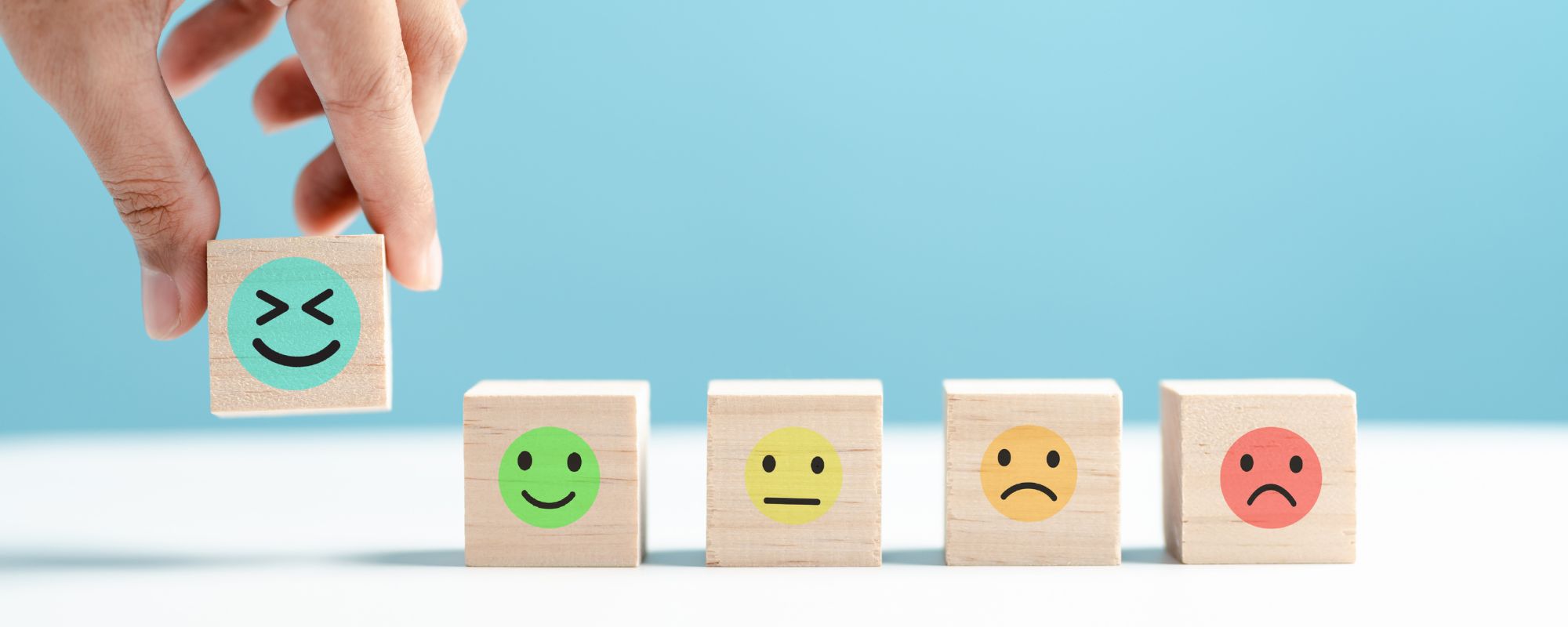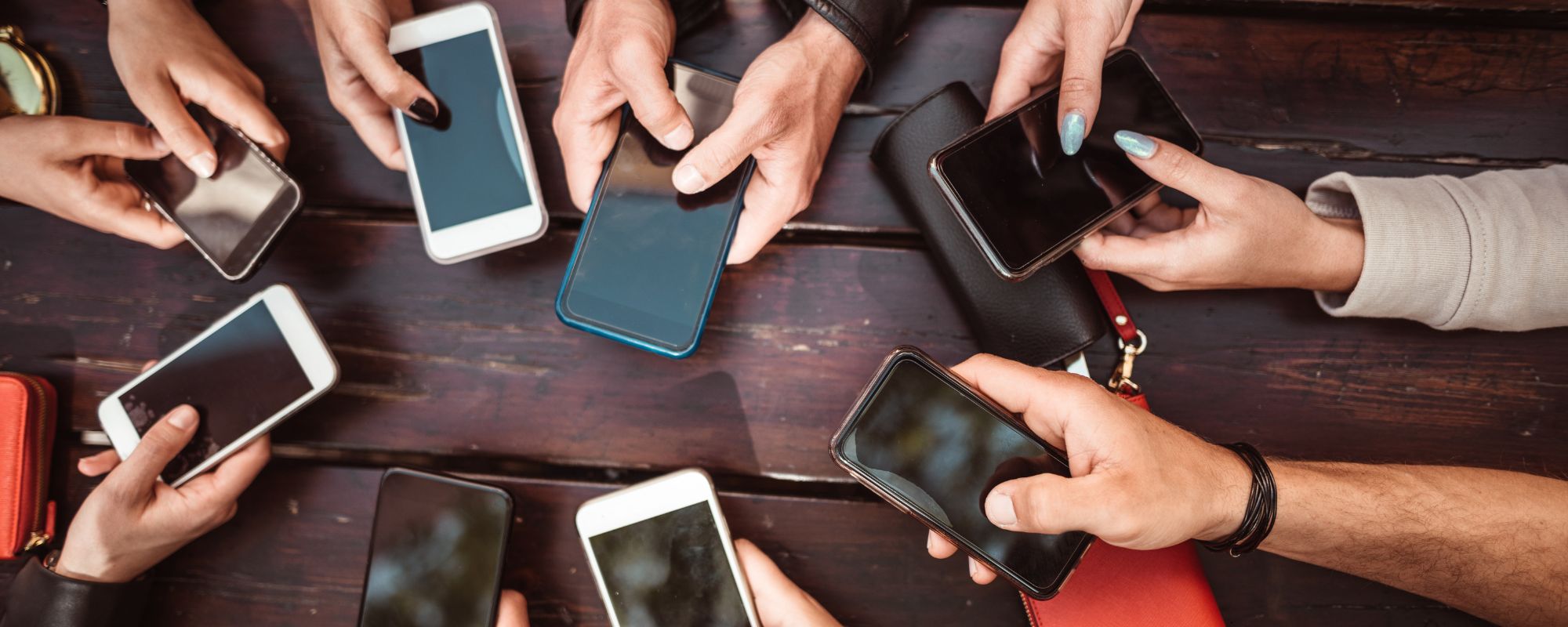
In today’s digital age, social media is everywhere. From Instagram to TikTok, Facebook to Twitter, we’re constantly connected. While these platforms can keep us informed and socially engaged, research shows that too much scrolling can take a toll on our mental health. This has led many people to ask: should I delete social media for mental health?
In this blog, we’ll explore the benefits of deleting social media for mental health, why stepping away might be the best choice for you, and practical tips for making a social media detox successful.
Key Takeaways:
- Deleting social media reduces stress and anxiety, allowing individuals to focus on personal achievements and self-acceptance.
- Reducing social media use improves sleep quality and enhances productivity by minimizing digital distractions.
- Quitting social media fosters real-life connections and supports mental well-being, leading to increased confidence and prevention of depression.
The Link Between Social Media and Mental Health
Social media can provide entertainment and connection, but it also comes with hidden risks.
Studies have shown that excessive social media use is linked to:
- Increased feelings of anxiety and depression
- Lower self-esteem due to social comparison
- Sleep disturbances from late-night scrolling
- Difficulty focusing and reduced productivity
If you’ve ever felt drained, anxious, or inadequate after scrolling, you’re not alone. For some, these negative effects can accumulate, making mental health challenges worse.
Why People Are Deleting Social Media for Mental Health
Many individuals are choosing to step back—or completely delete social media—to prioritize their well-being.
Deleting social media for mental health can help you:
- Reduce Anxiety and Stress: Constant notifications and the pressure to keep up with updates can increase stress. Removing these distractions can provide relief.
- Improve Self-Esteem: Without the constant comparison to others’ curated lives, you may find yourself feeling more confident and grounded.
- Enhance Productivity: Freeing up time previously spent on scrolling allows for hobbies, exercise, and other fulfilling activities.
- Better Sleep: Less screen time, especially before bed, can improve sleep quality and help regulate your natural sleep cycle.
- Reconnect in Real Life: Taking a break encourages more face-to-face interactions, strengthening real-world relationships.
Many individuals report a significant decrease in anxiety levels after quitting social media. This is largely due to the reduced exposure to the curated, often unrealistic portrayals of other people’s lives. Without the constant comparisons, you can focus more on your own life and achievements, which can lead to improved self-esteem and emotional well-being. Many people may feel anxious about their lives when they are constantly comparing themselves to others.
Looking For Mental Health Help?
Get confidential help from our mental health treatment facilities located across the United States. Call to join one of our quality programs today!
Speak With Our Admissions Team
Is Deleting Social Media Good for Mental Health?
For many, the answer is yes—but it depends on your personal habits and goals. Deleting social media can provide a mental reset and reduce digital stress, but it’s not a one-size-fits-all solution. Some people benefit from partial breaks, such as deleting apps from their phone while keeping accounts active, or setting strict usage limits.
The key is intentionality: if social media is causing more harm than good, taking a step back can be a positive, health-conscious choice.
Practical Tips for a Social Media Detox
Successfully undertaking a social media detox requires practical strategies. Most smartphones have features to limit time spent on specific social media apps. Setting these time limits can help manage and reduce social media usage.
Engaging in the following activities can act as fulfilling replacements for social media and other ways to enhance your well-being:
- Offline hobbies
- Face-to-face interactions
- Reading
- Exercising
- Exploring creative outlets
This mindful replacement of activities can help manage initial feelings of loneliness or restlessness that may arise during the detox.
Being mindful of not replacing social media with other digital distractions is crucial. Curating positive feeds and avoiding negative content can significantly improve mental well-being during a social media detox.
Verify Your Insurance
Looking for quality mental health treatment that’s also affordable? Aliya Mental Health treatment facilities accept most major insurance providers. Get a free insurance benefits check now!
Check Your CoverageMental Health Treatment at Aliya Mental Health
Deleting social media for mental health isn’t about abandoning technology—it’s about creating space for mental clarity, emotional balance, and real-life connections. Whether you choose a full detox or gradual reduction, stepping back from constant notifications can improve your well-being in ways you might not expect.
If you’re struggling with anxiety, depression, or other mental health challenges, professional support can help. At Aliya Mental Health, we provide compassionate care and evidence-based strategies to support your mental health journey. Taking control of your digital habits can be a powerful first step toward a healthier, more balanced life.
Resources:
- Naslund, J. A., Bondre, A., Torous, J., & Aschbrenner, K. A. (2020, September). Social Media and Mental Health: Benefits, risks, and opportunities for research and Practice. Journal of technology in behavioral science. https://pmc.ncbi.nlm.nih.gov/articles/PMC7785056/

- Can You Get Disability for Anxiety? - February 2, 2026
- What Causes Mental Health Disorders? - January 21, 2026
- Loving Someone with Depression: 5 Ways to Help - January 5, 2026