Key Takeaways:
- Art as Emotional Expression: Depression art provides a non-verbal way to express emotions, helping individuals externalize and process their feelings through creative outlets like painting, drawing, and writing.
- Therapeutic Benefits of Creativity: Engaging in art therapy reduces stress, builds self-esteem, and fosters emotional healing by offering a safe space for self-expression and mindfulness.
- Diverse Art Therapy Modalities: Various forms of art therapy, including visual arts, music, writing, and movement, cater to different preferences and needs, promoting holistic mental health recovery.
- Holistic Healing Approach: Combining art therapy with traditional treatments like talk therapy and mindfulness creates a comprehensive plan for managing depression and achieving long-term well-being.
Question:
Can art therapy help with mental health disorders like anxiety, depression, or PTSD?
Answer:
Art serves as a powerful tool for emotional healing, especially for individuals struggling with depression. Creative expression, such as painting, drawing, or writing, provides a safe outlet to process emotions that are difficult to articulate. Depression art, often characterized by abstract or dark themes, helps externalize inner struggles, making them more manageable. Art therapy offers numerous benefits, including stress reduction, improved self-esteem, and enhanced emotional resilience. At Aliya Mental Health, a holistic approach integrates various art therapy modalities—visual arts, music, writing, and movement—to cater to individual needs. These therapies not only foster self-expression but also promote mindfulness and relaxation, essential for managing depression. By combining art therapy with traditional treatments like talk therapy and mindfulness practices, individuals can achieve a well-rounded recovery. Aliya Mental Health provides a supportive environment where creativity becomes a bridge to healing, helping individuals reclaim joy and purpose in their lives.
Sometimes, the weight of sadness feels too heavy to put into words. When you or a loved one face persistent low moods or feelings of emptiness, simply talking about the pain can seem impossible. This is where the profound connection between depression and art becomes a lifeline.
Creative expression offers a safe, comforting space to release emotions that are difficult to voice. At Aliya Mental Health, we believe in treating the whole person to achieve true wellbeing. By exploring mental health art, individuals can build a bridge between their inner struggles and their journey toward recovery. In this guide, we will explore why people create art during difficult times, the different types of creative therapies available, and how these practices can help you reclaim a life that feels whole and purposeful.
The Hidden Language of Depression and Anxiety Art
Depression often brings a sense of isolation. It can make you feel misunderstood by the people around you. Creating depression anxiety art provides a powerful, non-verbal way to communicate what is happening inside your mind.
When words fail, colors, shapes, and textures step in. Many individuals find comfort in creating depression dark anxiety art, using shadows and muted tones to reflect their inner turmoil. This process is not about dwelling on the negative. Instead, it is about acknowledging your feelings and getting them out of your head onto a canvas, a piece of paper, or a journal page.
Creating depression art with deep meanings helps individuals externalize their pain. Seeing your emotions represented visually can make them feel more manageable. It allows you to step back, observe your feelings without judgment, and begin the gentle process of healing.
Making Sense of Abstract Mental Health Art
You do not need to be a trained artist to benefit from creative expression. In fact, abstract mental health art is often the most therapeutic form of creation. Abstract pieces focus on the act of doing rather than the final product. A chaotic swirl of dark paint or a repetitive sketch of jagged lines can perfectly capture the scattered, heavy feelings of a depressive episode.
When looking at art depression art, you might notice themes of loneliness, stormy landscapes, or solitary figures. These visual representations help loved ones and mental health professionals understand the depth of an individual’s struggle. More importantly, the act of making depression mental health art allows you to release pent-up tension. Every stroke of a brush or pencil serves as a physical release, helping to ease the physical and emotional burden of depression.
Looking For Mental Health Help?
Get confidential help from our mental health treatment facilities located across the United States. Call to join one of our quality programs today!
Speak With Our Admissions TeamFinding Comfort in Art Therapy for Depression
At Aliya Mental Health, our clinical philosophy is rooted in a holistic approach to treatment. Holistic mental health treatment methods can include recreational therapy, equine therapy, and yoga therapy, all of which focus on the overall well-being of individuals. We integrate the latest scientific advancements with compassionate care. Art therapy for depression is a cornerstone of this holistic healing process. Guided by trained professionals, creative therapies help you process trauma, manage stress, and rediscover joy.
Therapeutic art goes beyond simply drawing a picture. It is a guided practice that helps you build coping skills, boost self-esteem, and understand your emotional triggers. Our art therapy services are provided only by trained, licensed professionals to ensure accurate representation and effectiveness, and we emphasize the importance of knowledge in guiding clients appropriately. We also recognize the important role of families in art therapy and holistic treatment settings, supporting collaborative healing, especially for children’s mental health. We offer a variety of expressive therapies to meet your unique needs and preferences, always highlighting the possibility for positive change and using goal setting within art therapy to support recovery and personal growth.
Visual Arts: Painting and Drawing
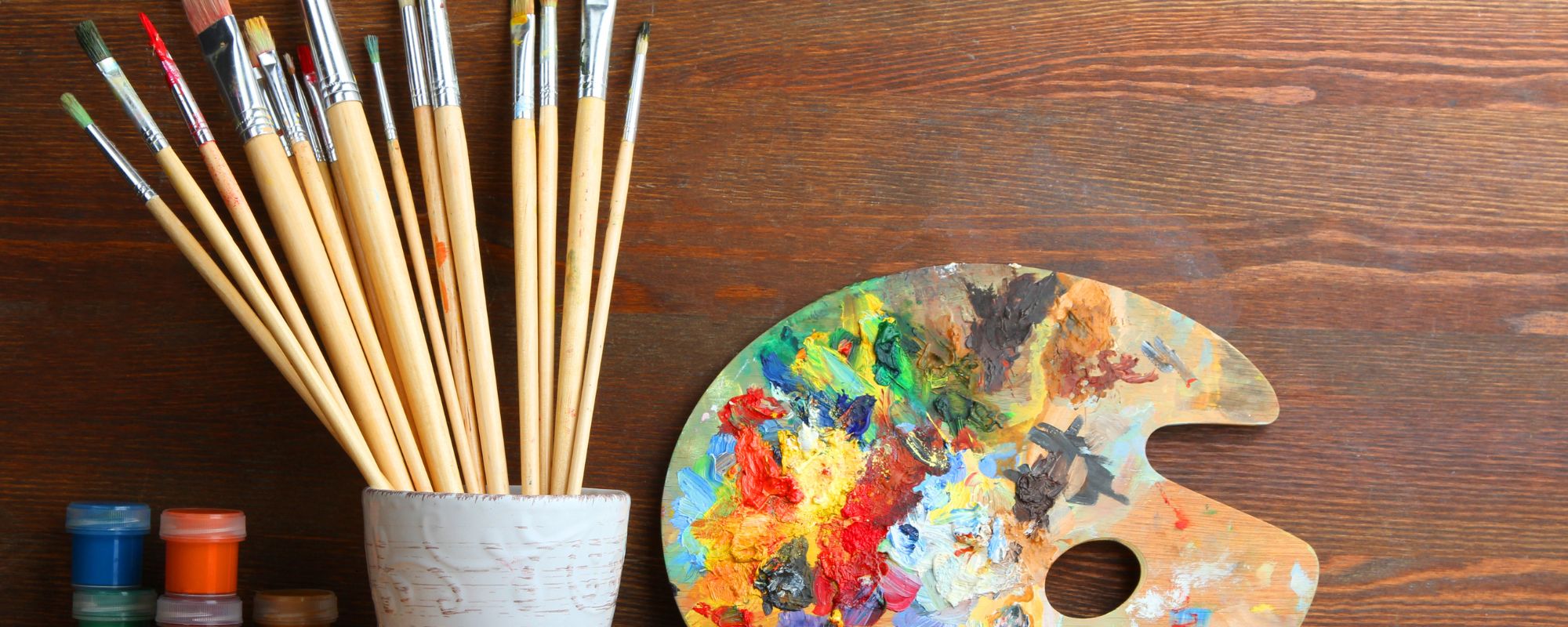
Using visual arts is one of the most common ways to engage in art therapy. Whether you are creating a detailed landscape or a simple sketch, drawing and painting help you focus your mind and ground yourself in the present moment. Creating patterns, such as mandalas or Zentangles, require focused attention and promote calm by encouraging you to slow down, concentrate deeply, and reduce anxiety. Visual art exercises also strengthen the mind body connection, as the act of drawing can increase awareness of physical sensations and help manage stress. Examples of art therapy exercises include drawing repetitive patterns, designing mandalas, or practicing Zentangle techniques, all of which use focused attention and pattern creation to support mental health. Visual arts allow you to safely explore difficult memories and emotions, transforming them into something tangible that you can discuss with your therapist.
The Power of Music Therapy
Music has a unique ability to bypass our logical brains and tap directly into our emotions. Music therapy involves listening to specific melodies, playing instruments, or even writing your own songs. It can lift your mood, reduce anxiety, and provide a deep sense of comfort. Singing or playing an instrument also encourages deep breathing, which naturally calms the nervous system.
Healing Through Expressive Writing
Expressive writing therapy encourages you to write down your thoughts, stories, and feelings. Journaling your experiences helps you organize cluttered thoughts. Expressive writing can help externalize worries and facilitate verbal expression of complex emotions that may be difficult to articulate otherwise. Gratitude journaling is another technique that promotes emotional well-being by encouraging you to focus on positive aspects of your life. Writing allows you to rewrite your own narrative, shifting the focus from feeling stuck to finding hope and resilience in your recovery journey.
Movement and Dance Therapy
Depression often makes the body feel heavy, lethargic, and disconnected. Movement and dance therapy help you reconnect with your physical self. These therapies support physical well-being by improving coordination, flexibility, and overall health. By moving your body to a rhythm, you can release physical tension and express feelings of joy or sorrow. Exploring different aspects of your identity through movement can enhance self-awareness and personal growth. Movement therapy and recreational therapy can also enhance social skills and improve communication by encouraging group participation and interaction. Recreational therapy aims to reduce mental health issues by lowering stress and anxiety through relaxation and physical activity, enhancing reasoning abilities, and improving communication skills. This gentle physical activity also releases endorphins, which naturally improve your mood and energy levels.
Verify Your Insurance
Looking for quality mental health treatment that’s also affordable? Aliya Mental Health treatment facilities accept most major insurance providers. Get a free insurance benefits check now!
Check Your CoverageThe Benefits of Embracing Creativity
Engaging with mental health art therapy offers numerous benefits for your mind, body, and spirit. When you incorporate creative practices into your daily life or treatment plan, you open the door to profound healing.
Here are a few ways that creating and sharing art supports recovery:
- Encourages emotional release: Art provides a healthy outlet for feelings of anger, sadness, and fear.
- Reduces stress: Focusing on a creative task promotes mindfulness, lowering cortisol levels and relaxing the body.
- Builds confidence: Completing a creative project fosters a sense of accomplishment and boosts self-worth.
- Enhances self-discovery: Art helps you uncover subconscious thoughts and better understand your core needs.
- Fosters connection: Group art therapy sessions allow you to connect with others who share similar experiences, reminding you that you are never alone.
Taking the Next Step with Aliya Mental Health
Recovery isn’t just about managing mental health symptoms; it’s about restoring clarity, identity, and happiness to your life. Exploring depression and art can be a transformative step on your path to wellness. You deserve to feel understood, supported, and hopeful about your future.
At Aliya Health Group, our nationwide network of addiction and mental health professionals collaborates to deliver customized clinical support. We are here to guide you through every step of your healing journey, offering a warm, inviting environment where you can safely explore your emotions.
If you or a loved one are struggling with depression or anxiety, you do not have to carry the burden by yourself. Reach out to Aliya Mental Health today to learn more about our comprehensive, holistic treatment programs. Together, we can help you find your voice, heal your spirit, and build a brighter tomorrow.
Resources:
- https://adaa.org/understanding-anxiety/depression
- https://pmc.ncbi.nlm.nih.gov/articles/PMC10503922
- https://arttherapy.org/what-is-art-therapy/
- https://www.mayoclinic.org/diseases-conditions/depression/symptoms-causes/syc-20356007
- https://www.nami.org/education/the-comorbidity-of-anxiety-and-depression/
- https://www.hopkinsmedicine.org/health/conditions-and-diseases/major-depression
- https://sites.bu.edu/daniellerousseau/2021/06/19/is-art-therapy-a-legitimate-form-of-treatment/
- https://arthives.org/adrian-keith-graham-hill-1895-1977
- https://www.psychiatry.org/news-room/apa-blogs/healing-through-art
- https://www.npr.org/sections/health-shots/2020/01/11/795010044/feeling-artsy-heres-how-making-art-helps-your-brain

- What Is a Delayed Emotional Resonse? Understanding, Causes, and Practical Help - January 20, 2026
- Mental Health Counseling: Support, Healing, and Hope for Lasting Wellness - January 14, 2026
- Healing Through Art: Expressive Arts Therapy for Trauma - January 13, 2026